
Context
With The Ugly Sides of Care, a long-term interdisciplinary research project, Care Ecologies collective (CE) aims to address the (mis)conceptions and blind spots of care in facilitating interdisciplinary collaborations within research, arts, design, and education. Throughout 2025, CE conducted the initial research focused on an in-depth exchange with facilitators from different cultural fields: Lotte van den Berg, Maryn Wilkinson, Olivia Reschkofsky and Alice Pons (MOHA), Saskia Korsten, Skye Maule-O’Brien, Panagiotis Panagiotakopoulos (Taka Taka), Esther Meijer, and Teresa Borasino.
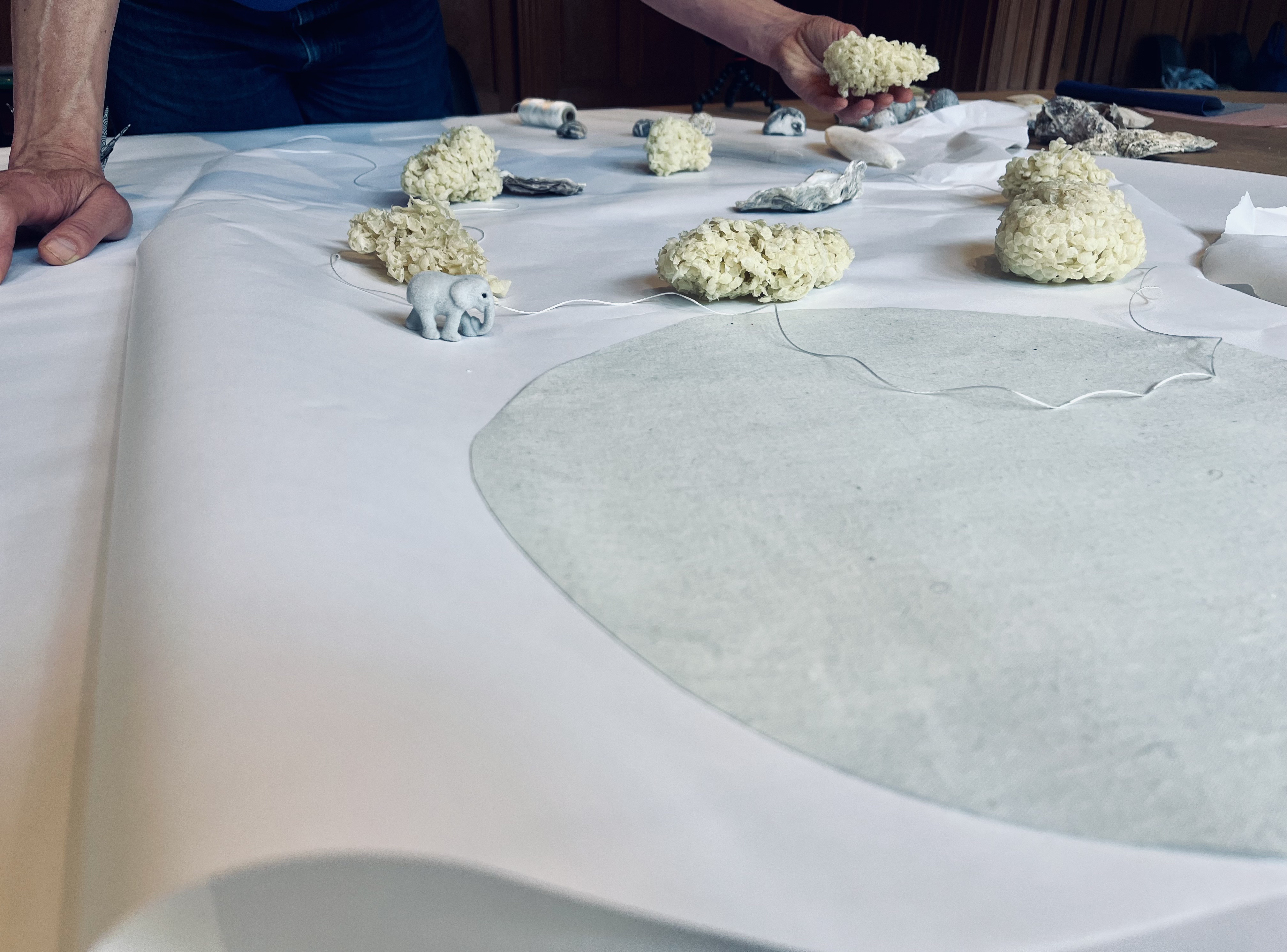
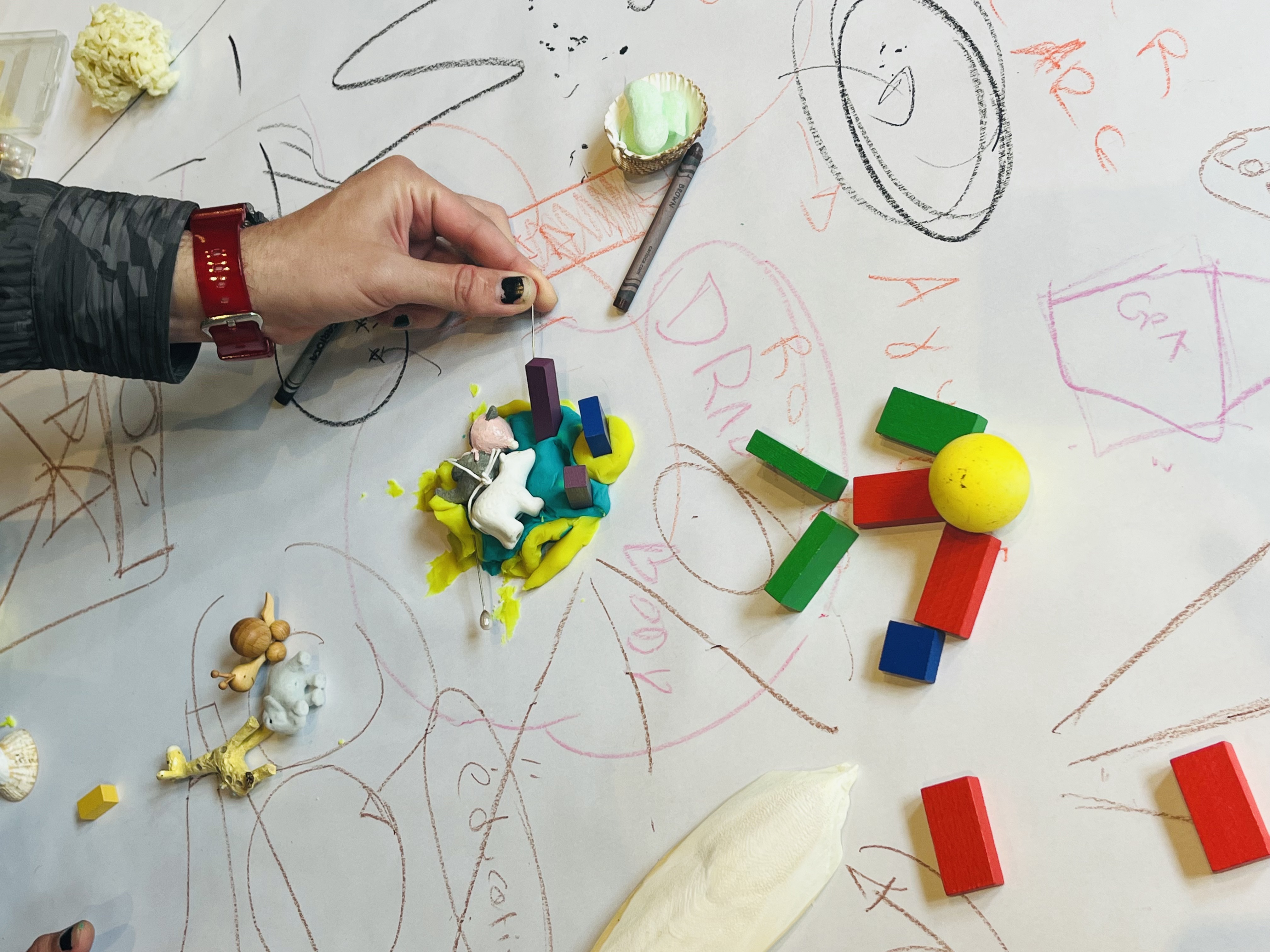
This first research phase aimed to identify challenges, frictions and blind spots experienced in our respondents' respective work environments. Inviting interaction with material objects during one-on-one interviews with the eight respondents led to developing a method for articulating care-frictions that arise in facilitation practices.
The intent for the next research phase in 2026, is to translate insights into an interactive toolbox. Understanding a tool as a combination of materials that evoke a certain action which helps to address a situation, CE imagines a toolbox with a selection of materials that could help to reflect on matters of care and care-frictions. Either actively – while you are facilitating (hosting, teaching, guiding, mothering) a group, or reflectively – to think-with and through your practice in hindsight.
Peer-to-peer learning session
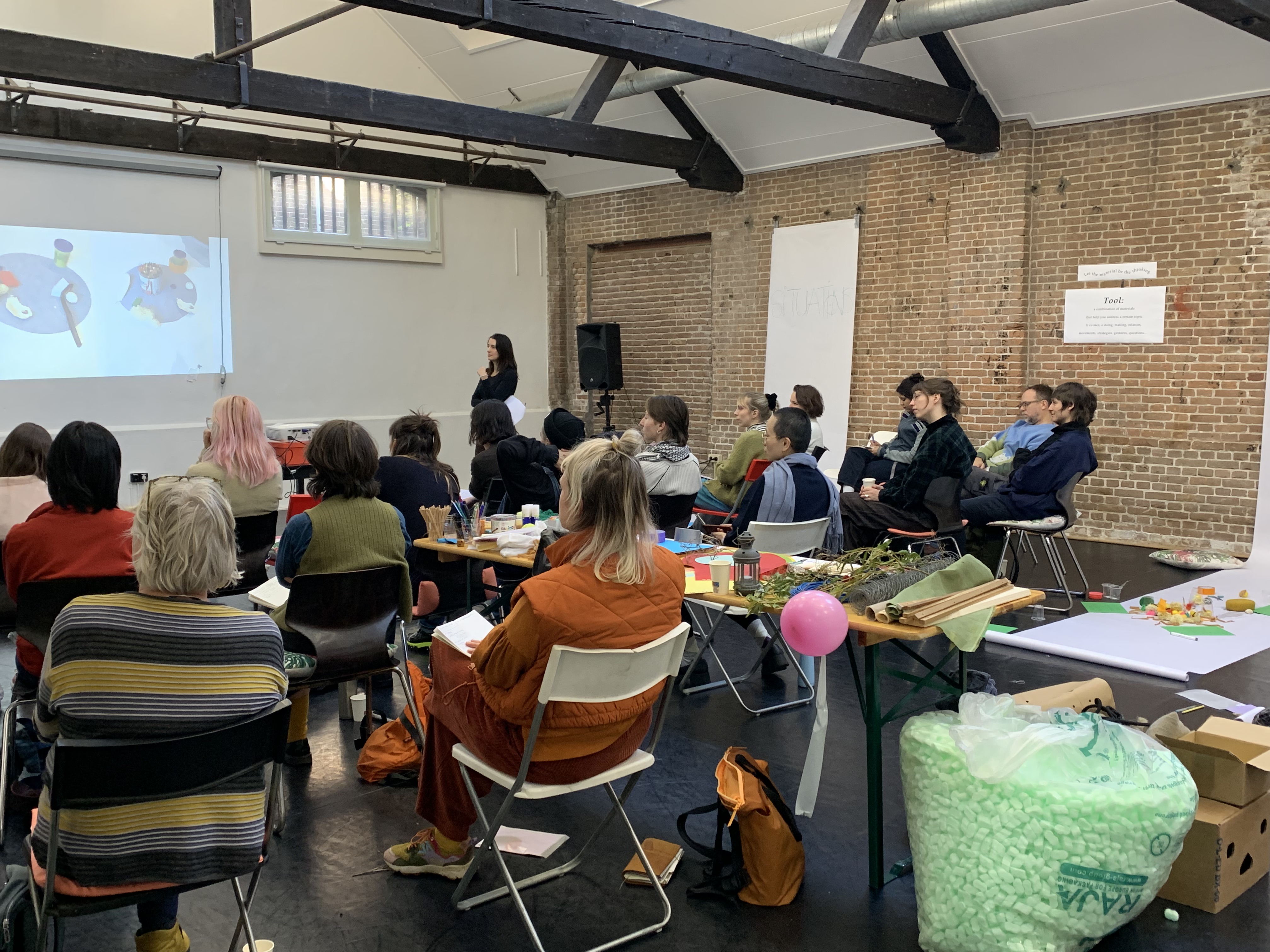
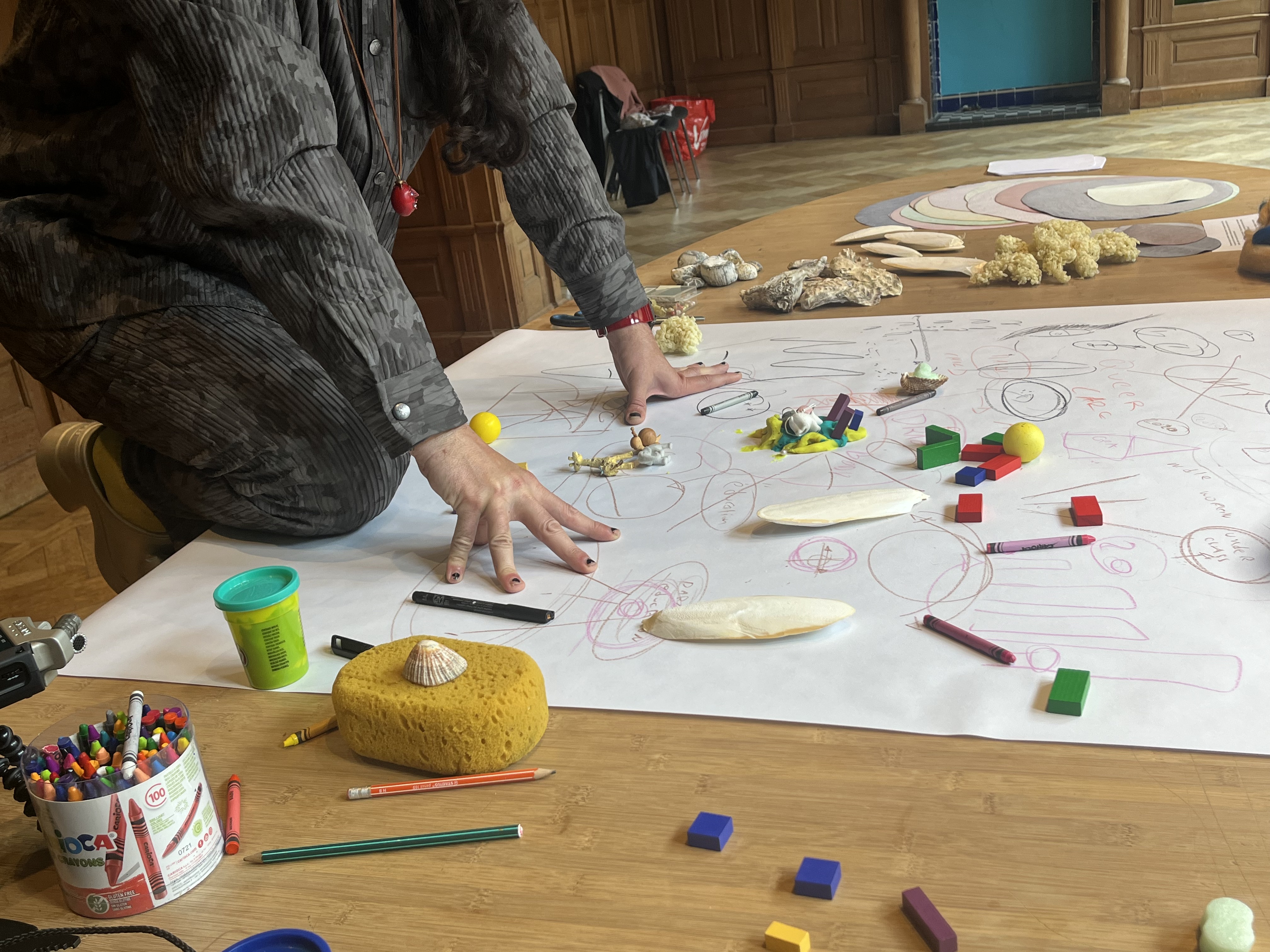
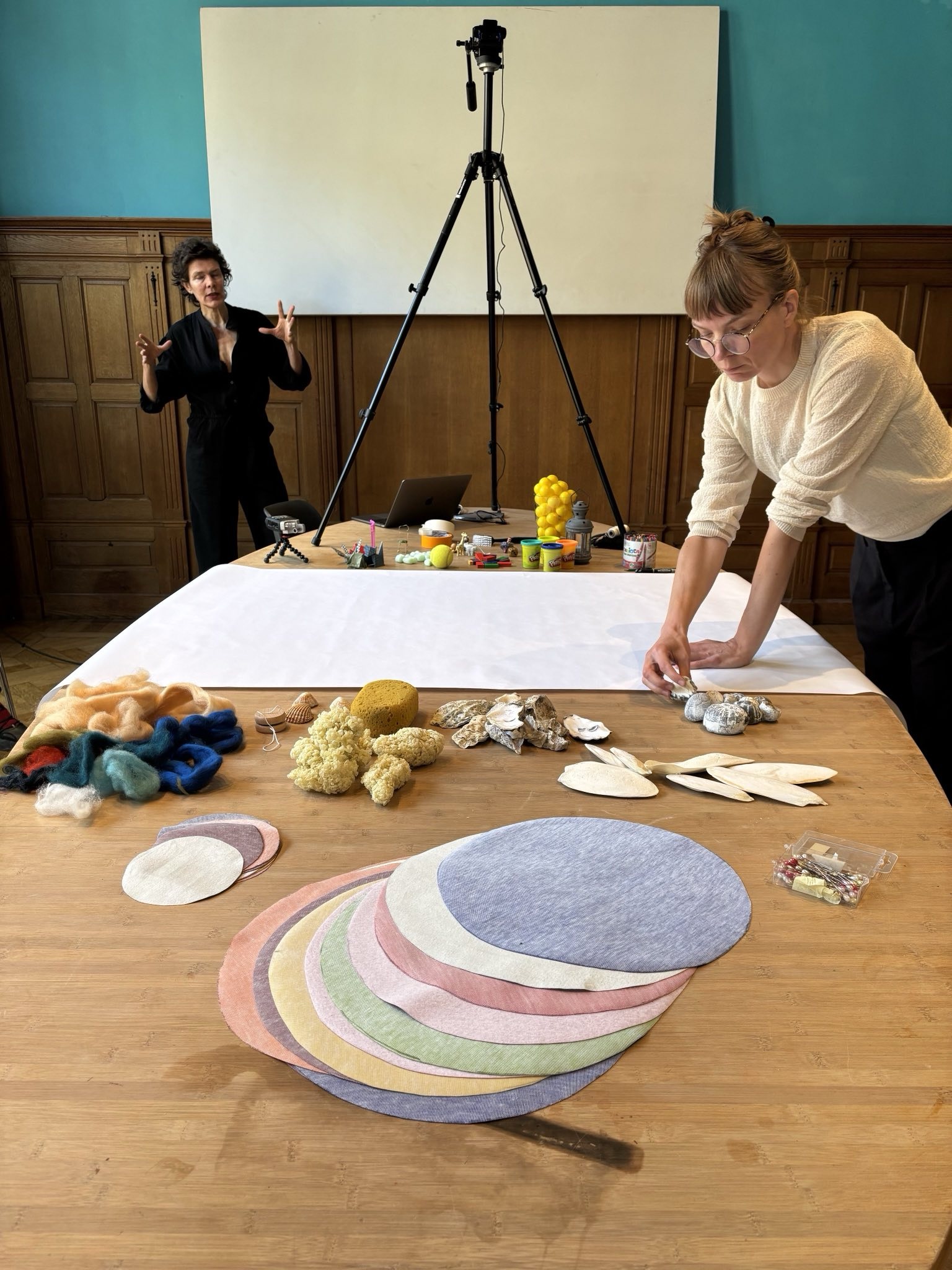
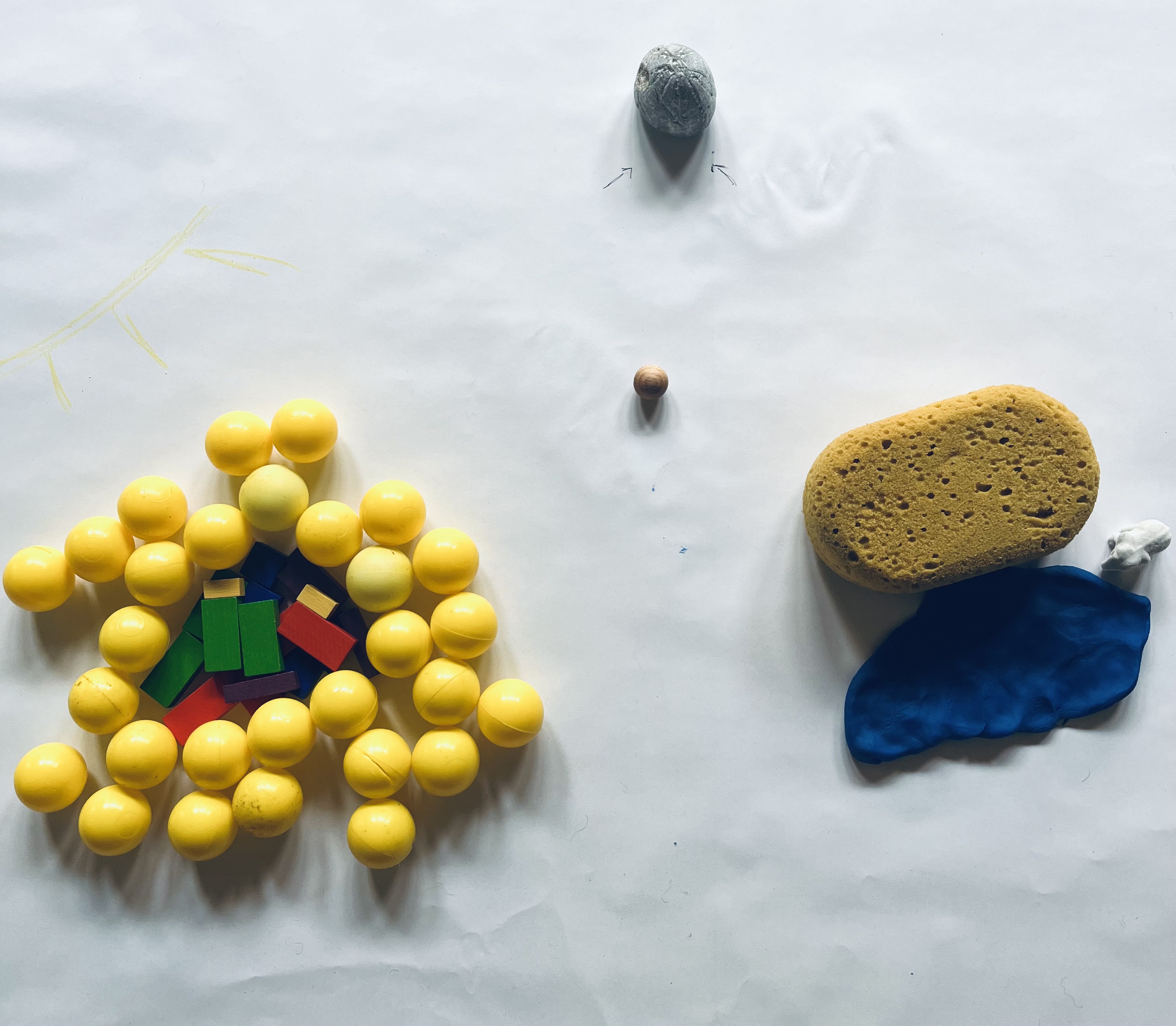
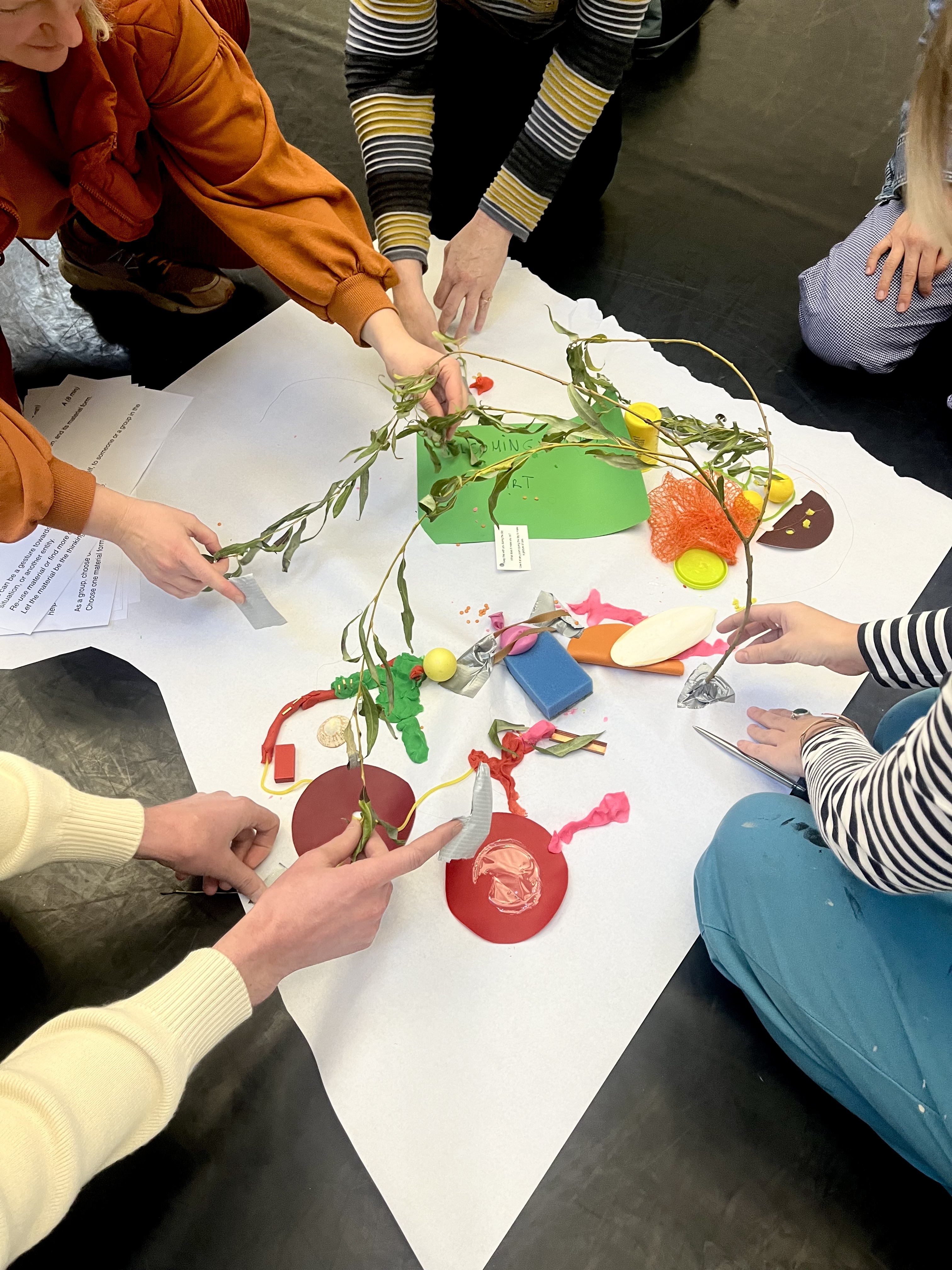
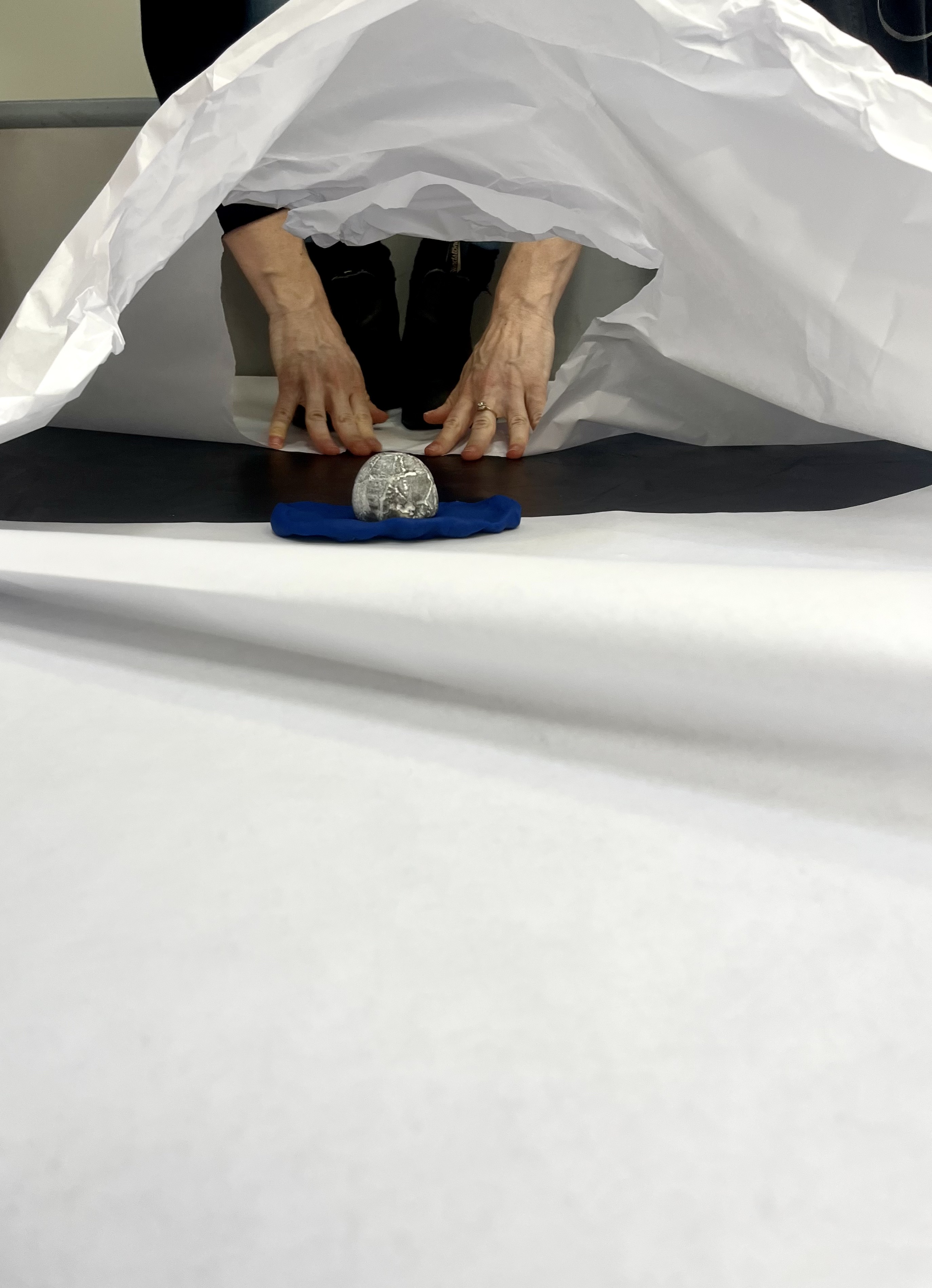
On November 26th, we hosted a peer-to-peer learning session at BAU, Amsterdam. During the morning workshop, the eight respondents were brought together for an exchange. The CE researchers re-enacted some of the sensory qualities, performative gestures and strategies that had emerged from each of their different material interactions in the interviews, and invited the respondents to further explore together how these might be(come) relevant as facilitation tools.
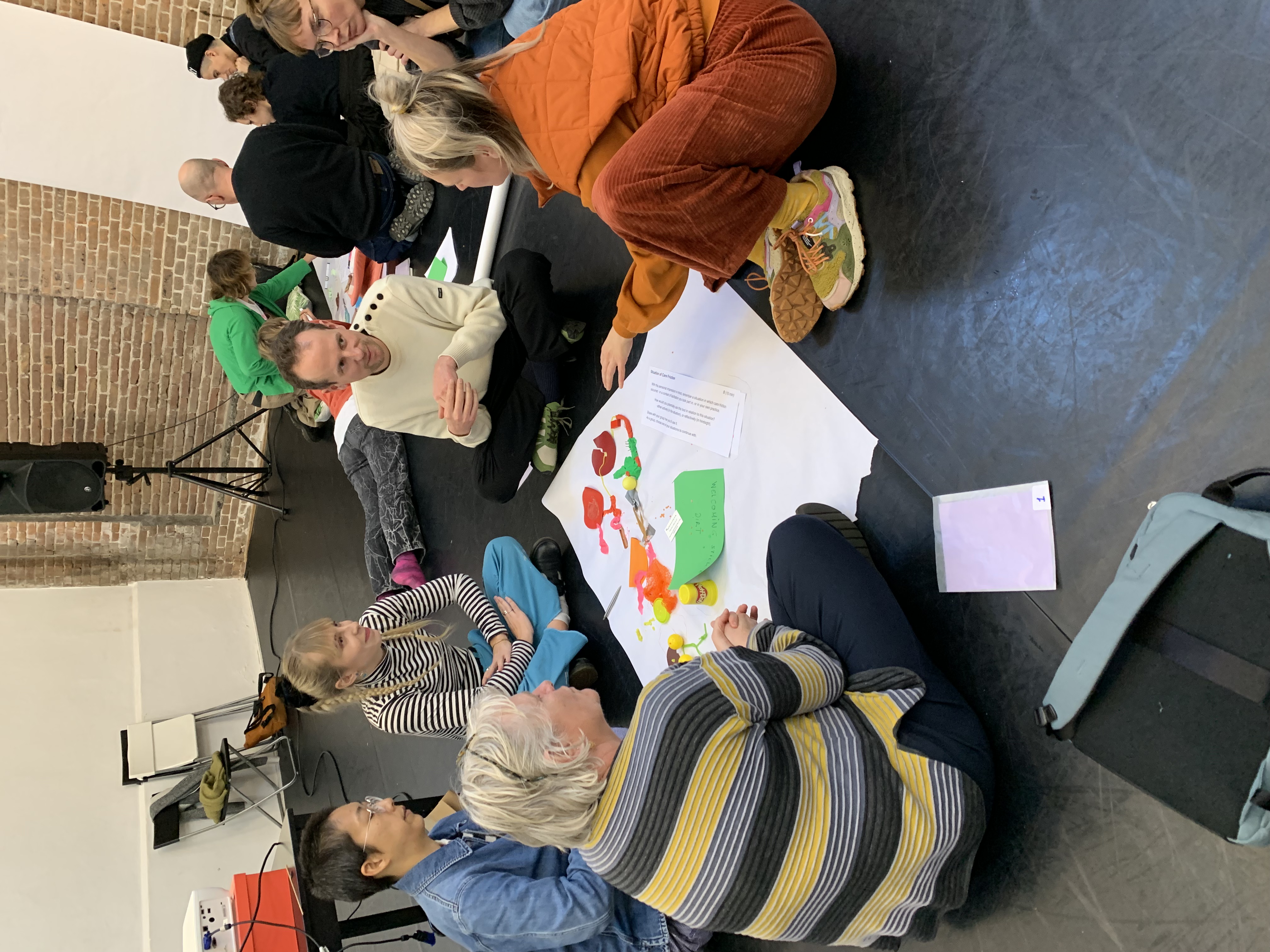
In the afternoon, 30 participants were welcomed. CE had translated the interview method into a workshop where small groups worked together on care-friction situations through material interaction, guided by prompts. This approach brought reflection on different modes of care and friction in the professional practices of the participants. The event drew a lot of interest from peers working in the arts, education, and design, interested in practices of facilitation and care, whose critical approaches further sharpened our thinking.
The groups reconvened for exchange and feedback, and closed with drinks as a moment to socialise and connect.
Biographies
The Ugly Sides of Care is a long-term interdisciplinary research project initiated by the Care Ecologies collective, which aims to attend to the (mis)conceptions and blindspots of care in facilitating collaborations in research, arts, and education. With the support of ARIAS Amsterdam, and Stimuleringsfonds for Creative Industries (seed grant, 2025).
The Care Ecologies collective for this phase of the project consisted of: Nienke Scholts, Marloeke van der Vlugt, Haitian Ma, Natalia Sánchez-Querubín and Ania Molenda, with support from ro heinrich (grant writing) and Sophia Charap (event production). For 2026, a new member on the team is Saskia Korsten. Feel welcome to reach out if you are interested to participate, or wish to connect as a partner in further funding applications.
Lotte van den Berg an artist, theatre-maker, and educator whose work bridges performance and social practice to create spaces for collective reflection and learning. She was a co-initiator of the dialogical art project Building Conversation and is co-founder of Workspace Social Sculpture at ArtEZ University of the Arts, both projects that, in different ways, focus on facilitating critical dialogue in public space through performative approaches that enable the strengthening of social relations.
Panagiotis Panagiotakopoulos (a.k.a. Taka Taka) is a dragtivist, art educator and queer theorist. They are the Drag King House of Løstbois as well as the creative director of Club Church, The House of Hopelezz, and The Closet Amsterdam. Taka practices drag as an amplified voice, e.g. around issues like HIV. Their current Professional Doctorate research explores drag mothering as an artistic-educational model for fostering more empathetic, creative, and socially engaged forms of interaction.
Maryn Wilkinson Alongside her teaching in Film Studies at the UvA, Maryn was appointed as an educational expert for the Faculty of Humanities Teaching and Learning Centre at the UvA. In this role, she provides guidance and support to other teaching staff in the Faculty, including teacher trainings and workshops on topics the 'international classroom', 'inclusive teaching practices', and 'how to deal with hot moments (heated, offensive and tense) in the classroom'.
Alice Pons and Olivia Reschofsky come together to form the interdisciplinary arts collective MOHA. Their name, coming from the Hungarian for moss, reflects the desire of their work, to grow and expand even in unexpected conditions and with a moss-like quality. MOHA creates performances, presents workshops, devises publications, and proposes alternative curatorial models. They operate outside conventional art institutions, working in public spaces and with specific communities, describing their aim as “shattering our personal bubbles to connect with the day-to-day realities of people we might never otherwise encounter.”
Saskia Korsten is an interdisciplinary artist, new media scholar and lecturer and curriculum developer at the ArtEZ University of the Arts. She is particularly interested in art educational theory and teaching methods. As SIM-aka-Saskia Isabella Maria their current research involves exploring how body perceptions and ableist norms influence relational dynamics and notions of participation and agency.
Skye Maule-O’Brien is an educator and researcher. Her practice involves exploring how collaborative learning strategies can promote social and environmental change, and looks at how to employ intimacy and vulnerability as transformative pedagogical tools.
Teresa Borasino is an artist, educator, facilitator, cultural activist, and researcher. Her practice spans across performance, public interventions, writing, video, and artistic gatherings. Both her pedagogical and facilitation work draw on non-extractive, decolonial, and regenerative approaches to co-learning, cultivating relational ways of being and addressing the roots of systemic injustices. She is the founder of https://reschooling.org/, a collaborative platform for collective and situated (un)learning that nurtures eco-social activism otherwise.
Esther Meijer is a conceptual artist and designer, whose work includes interdisciplinary approaches to visualising and engaging with social and cultural issues through collaborative projects. They work on connecting various subcultures and communities through co-creative processes for their art practice, and through their work at SHEBANG, a hybrid development space for creatives and thinkers based in Amsterdam Zuidoost, do so through network forming and collaborative practices.